GLP-1 Diet: The Best Functional Foods to Eat on Ozempic or Wegovy (2026)
Affiliate disclosure: FunctionalFood.com may earn a small commission on purchases made through links on this page, at no extra cost to you. Our content is editorially independent.
You’ve started Ozempic, Wegovy, Mounjaro, or another GLP-1 medication — and suddenly food is different. You’re not hungry. Half a portion fills you up. The thought of a full plate is unappealing. And yet your doctor keeps telling you to eat enough protein.
Here’s the thing nobody tells you clearly: what you eat on a GLP-1 matters more than it did before, not less. Because you’re eating significantly less food overall, every bite needs to work harder. The wrong foods don’t just slow your progress — they can lead to muscle loss, nutritional deficiencies, and side effects that make the medication harder to stick with.
This guide tells you exactly what to eat, what to avoid, and why — based on the clinical evidence around GLP-1 medications and nutrition.
- The #1 priority: Protein at every meal. Aim for 1.2–1.6g per kg bodyweight daily to prevent muscle loss (STEP 1 trial: ~39% of weight lost can be lean mass).
- Eat plenty of: Eggs, Greek yogurt, fish, legumes, dark leafy greens, oats, berries, fermented foods.
- Avoid or limit: Greasy/fried foods, high-sugar foods, alcohol, very large portions in one sitting.
- Hidden risk: Nutritional deficiencies — consider supplementing B12, calcium + Vitamin D, magnesium.
- Practical tip: Eat protein first at every meal before vegetables or carbs.
- Nausea? Stick to bland foods (rice, toast, bananas, broth) until it subsides — usually improves within weeks.
What You’ll Find in This Guide
- Why GLP-1 medications change your nutritional needs
- The #1 priority: protein and muscle protection
- Fiber: your best defense against side effects
- Micronutrients: the hidden deficiency risk
- Foods to limit or avoid
- Practical eating patterns that work
- Functional foods that complement GLP-1s
- Supplements worth considering
- FAQ
Why GLP-1 Medications Change Your Nutritional Needs
GLP-1 receptor agonists like semaglutide (Ozempic, Wegovy) and tirzepatide (Mounjaro, Zepbound) work by mimicking a hormone your gut naturally produces after eating. They slow gastric emptying, increase satiety signals to the brain, and dramatically reduce appetite. The result: most people eat 20–40% fewer calories than before.
This reduction in food intake is the mechanism behind the weight loss — but it creates a nutritional challenge. With 1 in 8 US adults now taking a GLP-1 medication, this has become one of the most common nutrition issues clinicians encounter.
The #1 Priority: Protein
If you take one thing from this article, let it be this: aim for 60–90 grams of protein per day minimum, and ideally 1.2–1.6 grams per kilogram of body weight. For most GLP-1 users, that means building a protein source into every meal without exception.
Because your appetite is suppressed and portions are smaller, protein needs to come first — literally. Eat your protein before your vegetables, before your carbohydrates. If you fill up on bread or salad first, you may not have room for the protein your body needs.
Best protein sources for GLP-1 users
Eggs and Greek Yogurt
Eggs provide complete protein in a small, easily digestible package — 6g per egg, with minimal volume. Greek yogurt delivers 15–20g of protein per serving along with probiotics that support gut health. Both are gentle on a stomach that’s already slowing its emptying, making them ideal for GLP-1 users who experience nausea.
Fish and Seafood
Fatty fish like salmon, sardines, and mackerel deliver 25–30g of protein per serving along with omega-3 fatty acids — which have their own anti-inflammatory benefits and may support metabolic health. The soft texture is also easier to eat for people who find heavy meats difficult while on GLP-1 medications.
Legumes (Lentils, Chickpeas, Edamame)
Legumes are the rare food that delivers both protein and fiber simultaneously — making them especially valuable on a GLP-1 diet. A cup of lentils provides 18g of protein and 16g of fiber. Edamame delivers 17g of protein per cup. These also support gut microbiome health, which matters given that GLP-1 medications can disrupt digestive patterns.
Cottage Cheese and Whey Protein
Cottage cheese has had a serious renaissance as a high-protein food — half a cup provides 14g of protein with a mild flavor that works in both savory and sweet contexts. Whey protein powder is valuable for those days when appetite is so suppressed that solid food feels impossible — a small protein shake can meet protein targets without the volume of a full meal.
Fiber: Your Best Defense Against GLP-1 Side Effects
Constipation is one of the most common side effects of GLP-1 medications — a direct consequence of slowed gastric emptying. Adequate fiber intake is the most effective dietary intervention to prevent and manage this. Aim for 25–35 grams of fiber per day.
Best fiber sources
Dark Leafy Greens
Spinach, kale, and arugula are among the most nutrient-dense foods on the planet — delivering fiber, magnesium, iron, folate, and vitamin K in a small volume. Magnesium is particularly important for GLP-1 users as it supports muscle function and sleep, and is commonly deficient in people eating reduced-calorie diets.
Berries
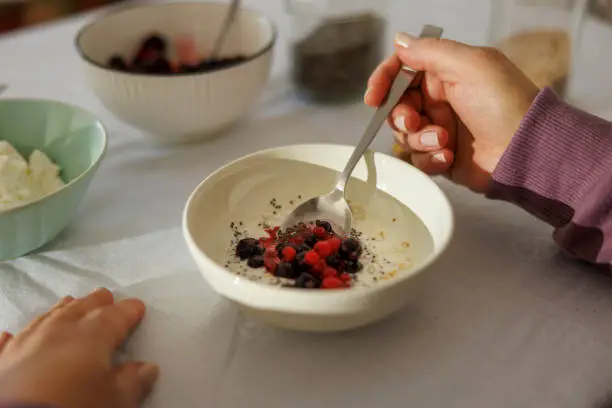
Blueberries, raspberries, and strawberries provide fiber and antioxidants with relatively low sugar content. They’re also easy to eat in small quantities when appetite is low — a handful of blueberries is a meaningful nutritional contribution without requiring a full meal’s worth of eating effort.
Oats and Whole Grains
Oats provide beta-glucan, a soluble fiber with strong evidence for supporting gut health, cholesterol levels, and blood sugar regulation. Because GLP-1 medications already improve blood sugar control, combining them with a fiber-rich diet amplifies those benefits. Choose steel-cut or rolled oats over instant varieties for slower digestion and better blood sugar response.
Micronutrients: The Hidden Risk on a GLP-1 Diet
This is the most underappreciated aspect of GLP-1 nutrition. When you eat 30–40% fewer calories over months or years, you are at meaningful risk of micronutrient deficiencies — even if the food you do eat is relatively healthy. The nutrients most commonly depleted include:
- Vitamin B12 — Critical for nerve function and energy. Found primarily in animal products. Consider supplementation if eating is significantly reduced.
- Iron — Particularly important for women. Reduced food intake means reduced iron intake.
- Calcium and Vitamin D — Bone health is a long-term concern with significant weight loss. Dairy, fortified foods, or supplements.
- Magnesium — Supports muscle function, sleep, and blood sugar regulation. Found in leafy greens, nuts, and whole grains.
- Zinc — Immune function and wound healing. Found in meat, shellfish, and legumes.
Foods to Limit or Avoid on GLP-1 Medications
GLP-1 medications slow digestion significantly. Certain foods that were previously tolerable may now cause or worsen nausea, reflux, bloating, and digestive discomfort because they sit in your stomach longer than before.
Foods that commonly worsen GLP-1 side effects:
- High-fat, greasy foods — Fried foods, fast food, heavy sauces. Fat significantly slows gastric emptying further, worsening nausea and reflux that are already common on GLP-1s.
- High-sugar foods and drinks — Sugary beverages, candy, baked goods. These spike blood sugar and undermine the metabolic benefits of the medication.
- Alcohol — Interacts with blood sugar regulation and provides empty calories. Many GLP-1 users also find their tolerance for alcohol decreases significantly on the medication.
- Very spicy foods — Can irritate a digestive system that is already more sensitive due to slowed gastric emptying.
- Large portions in one sitting — The medication makes your stomach empty more slowly, so large meals are more likely to cause discomfort, nausea, or reflux. Smaller, more frequent meals are generally better tolerated.
Practical Eating Patterns for GLP-1 Users
Eat smaller meals more frequently
Rather than three large meals, many GLP-1 users do better with four to five smaller meals or snacks throughout the day. This reduces the risk of discomfort from overfilling a stomach that now empties more slowly, while maintaining steady nutritional intake.
Prioritize protein first at every meal
Before eating anything else — before your vegetables, before your carbohydrates — eat your protein. If you fill up on lower-priority foods first, you risk consistently under-meeting your protein targets, which accelerates muscle loss over time.
Don’t forget to drink water
GLP-1 medications suppress appetite so effectively that some people forget to drink water as well. Dehydration worsens constipation (already a common side effect) and can cause fatigue and headaches that are easily misattributed to the medication. Aim for at least 8 glasses of water per day, separate from meals.
Don’t skip meals entirely
Some people on GLP-1 medications find their appetite so suppressed that they regularly skip meals entirely. While occasional low appetite is normal, consistently skipping meals risks malnutrition and accelerated muscle loss. If you genuinely cannot eat solid food, a protein shake counts — but something should go in.
Functional Foods That Complement GLP-1 Medications
Beyond the basics, certain foods have properties that specifically complement the mechanisms of GLP-1 medications:
- Fermented foods (kefir, yogurt, kimchi, sauerkraut) — Support gut microbiome health, which is increasingly linked to metabolic function and may enhance GLP-1’s effects.
- Extra virgin olive oil — Anti-inflammatory, supports cardiovascular health, pairs well with the cardiovascular benefits of GLP-1 medications.
- Nuts and seeds — Small portions deliver healthy fats, protein, and minerals. Easy to eat in small quantities when appetite is low.
- Avocado — Nutrient-dense source of healthy fats, potassium, and fiber. Half an avocado is a meaningful nutritional contribution without being overwhelming in volume.
Supplements Worth Considering on a GLP-1 Diet
Whole foods should always come first — but given the significant reduction in food intake that GLP-1 medications produce, targeted supplementation can serve as an important safety net. These are the supplements with the strongest rationale for GLP-1 users specifically.
Protein Powder (Whey or Plant-Based)
On days when appetite is severely suppressed and solid food feels impossible, a protein shake can be the difference between meeting your daily protein target and falling significantly short. Whey protein is the most bioavailable option and mixes easily into small volumes of liquid. For those who are lactose intolerant or prefer plant-based options, a pea + rice protein blend provides a complete amino acid profile. Aim for 20–30g protein per serving.
Calcium + Vitamin D
Significant weight loss — whether from GLP-1 medications or other means — is associated with decreased bone mineral density. Calcium and vitamin D work together to protect bone health during periods of rapid weight loss. Most adults need 1,000–1,200mg of calcium daily and 1,500–2,000 IU of vitamin D3. If your diet includes dairy, leafy greens, and fortified foods, a supplement may only need to bridge the gap rather than cover the full dose.
Vitamin B12
B12 is found almost exclusively in animal products — meat, fish, eggs, and dairy. As GLP-1 users eat less overall, B12 intake often drops below adequate levels. Deficiency develops slowly but causes fatigue, nerve problems, and cognitive difficulties when it does. A sublingual B12 supplement (absorbed under the tongue) bypasses any absorption issues and is inexpensive. Worth including, particularly for people eating a mostly plant-based diet.
Magnesium
Magnesium is involved in over 300 enzymatic reactions in the body — including muscle function, blood sugar regulation, and sleep quality. It’s commonly depleted in people eating calorie-restricted diets, and low magnesium can worsen fatigue and muscle cramps that some GLP-1 users experience. Magnesium glycinate is the best-tolerated form for most people. 200–400mg before bed also supports the sleep quality that is critical during periods of metabolic change.
FAQ
Do I need to follow a specific diet while on Ozempic or Wegovy?
There’s no single prescribed diet, but the evidence strongly supports a focus on high-protein, high-fiber, nutrient-dense whole foods. This approach maximizes the benefits of the medication while minimizing common side effects like constipation and fatigue, and protects against the muscle loss that commonly accompanies GLP-1-assisted weight loss.
How much protein do I need on a GLP-1?
Most nutrition researchers and clinicians recommend 1.2 to 1.6 grams of protein per kilogram of body weight per day for people on GLP-1 medications — significantly higher than standard recommendations — because of the elevated risk of muscle loss during rapid weight loss. For a 70kg person, that’s 84–112 grams of protein per day.
What should I eat when I have GLP-1 nausea?
When nausea is significant, stick to bland, easily digestible foods: plain rice, toast, bananas, broth, crackers, and boiled eggs. Avoid fatty, spicy, or heavily seasoned foods until nausea subsides. Eating small amounts slowly and staying well hydrated also helps. Nausea typically improves after the first few weeks as your body adjusts to the medication.
Can I drink alcohol on GLP-1 medications?
Alcohol isn’t strictly prohibited, but it’s worth being careful. GLP-1 medications affect how your body processes alcohol, and many users find they become more sensitive to its effects. Alcohol also provides empty calories and can disrupt blood sugar regulation that GLP-1s are working to improve. If you do drink, do so in moderation and with food.
Related Articles
- Best Probiotics for Bloating (2026): What Actually Works, According to Science
- Best Functional Foods for Gut Health (2026)
- Best Magnesium Supplement for Sleep (2026)
The Bottom Line
GLP-1 medications are powerful tools — but they work best when combined with intentional nutrition. The medication handles the appetite suppression; you handle the quality of what you eat within that reduced appetite. Prioritize protein at every meal, eat fiber-rich foods to protect your digestive health, choose nutrient-dense whole foods to avoid deficiencies, and limit foods that worsen side effects.
The goal isn’t restriction — it’s optimization. Every meal is an opportunity to give your body what it needs to thrive during what can be a genuinely transformative period for your health.
Medical disclaimer: This article is for informational and educational purposes only. It does not constitute medical advice and is not a substitute for consultation with a qualified healthcare provider. GLP-1 medications affect everyone differently. Always follow the guidance of your prescribing physician or registered dietitian regarding diet and supplementation while on these medications.
Sources: STEP 1 Trial (semaglutide weight loss clinical trial, NEJM 2021) | MealThinker GLP-1 Nutrition Guide, 2026 | Ohio State University Health: GLP-1 Foods to Limit | Culina Health: GLP-1 Medications — What to Eat | University of California Health: Nutrition on GLP-1 Weight Loss Drugs.